How Prenatal Massage Relieves Lower Back Pain in Pregnancy

Up to 70% of pregnant women experience lower back pain, most often starting in the second trimester and intensifying as pregnancy progresses. As the body adapts to support a growing baby, increased weight, postural shifts, and hormonal changes place extra stress on the lower back. Many expectant mothers begin to ask, is lower back pain normal in pregnancy? And how do I relieve it safely?
One of the most effective and natural solutions is prenatal massage. When performed by a trained professional, prenatal massage offers targeted relief, improves comfort, and supports overall well-being throughout pregnancy.
Is Lower Back Pain Normal in Pregnancy?

Yes, lower back pain is normal in pregnancy, particularly during the second and third trimesters. It often develops as the abdomen grows, shifting the body's center of gravity forward and increasing strain on the lumbar spine. Hormonal changes, especially the release of relaxin, loosen ligaments and joints to prepare the body for childbirth, which can reduce pelvic stability and contribute to discomfort.
Muscle fatigue, reduced core support, and altered posture further increase stress on the lower back. Left unaddressed, this pain can interfere with sleep, daily movement, and overall quality of life.
In some pregnancies, lower back pain extends into sciatic nerve pain. Pregnancy-related sciatica occurs when the sciatic nerve becomes irritated or compressed due to pelvic changes, tight hip muscles, or increased spinal pressure, causing pain that radiates from the lower back into the hips, glutes, or legs. Targeted prenatal massage can help reduce muscular tension around the lower back and hips, easing pressure on the nerve and improving comfort.
How Prenatal Massage Helps Relieve Lower Back Pain
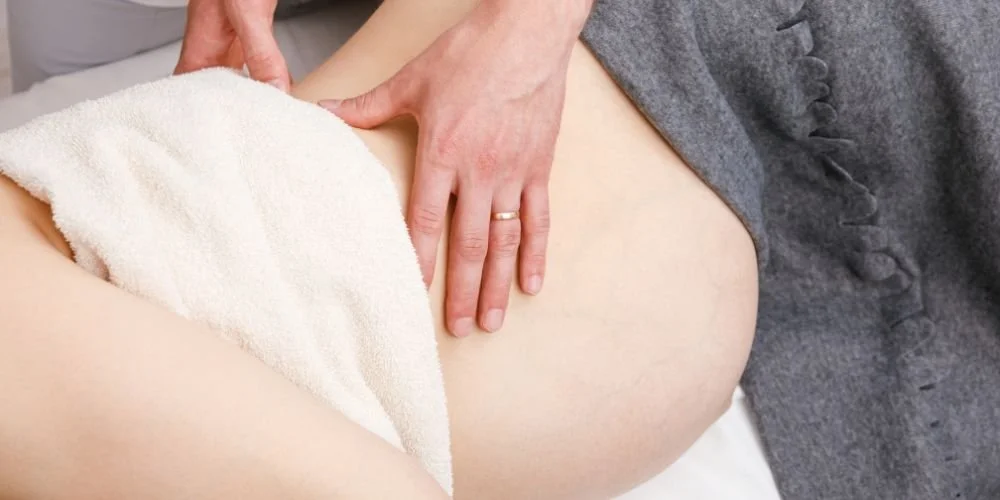
Prenatal massage is specifically adapted to the pregnant body. It uses gentle, supportive techniques that relieve muscular tension without placing stress on sensitive areas. Unlike general massage, it prioritizes comfort, safety, and proper positioning.
It works by relaxing tight muscles, improving circulation, and reducing pressure on surrounding tissues. Gentle touch stimulates the nervous system in a calming way, helping the body shift out of stress mode and into recovery. As muscles release tension, pressure on the lower spine decreases, allowing for improved mobility and reduced pain.
Muscle Relaxation and Pain Reduction
As the baby grows, lower back muscles often remain in a shortened, overworked state. Massage gently loosens these muscles, reducing stiffness and inflammation, and helps prevent pain from spreading into the hips and legs.
Improved Circulation and Healing
Prenatal massage enhances blood and lymphatic circulation, delivering oxygen and nutrients to fatigued muscles while reducing fluid buildup, which also helps with the swelling many women experience in the legs and feet.
Nervous System Regulation and Stress Relief
Pain and stress are closely connected. Prenatal massage activates the parasympathetic nervous system, encouraging relaxation and lowering stress hormones like cortisol. Massage also promotes the release of endorphins, the body's natural pain relievers. When the nervous system is calm, pain perception decreases.
Better Sleep and Daily Comfort
Lower back pain often disrupts sleep during pregnancy. Regular prenatal massage promotes relaxation and muscle ease, allowing for deeper rest and improved energy levels throughout the day.
Prenatal Massage by Trimester
● First trimester: If you already carry tension in your low back or hips, gentle massage can ease early aches before they intensify. Many therapists take a lighter approach during this stage.
● Second trimester: This is when back pain most commonly begins in earnest as the belly grows and posture shifts. Regular sessions can help you stay ahead of muscle tightness rather than treating it after it builds up.
● Third trimester: As the baby's weight increases, so does strain on the lumbar spine and pelvis. Side-lying positioning with supportive bolsters becomes especially important, and many women benefit from more frequent sessions in these final weeks.
Prenatal Massage Techniques for Back Pain Relief
A skilled therapist uses pregnancy-safe methods tailored to each stage of pregnancy, including:
● Swedish massage uses long, flowing strokes to reduce muscle tension and improve circulation
● Gentle myofascial release focusing on connective tissue around the lower back and hips
● Targeted muscle work addressing tension patterns caused by posture changes
● Side-lying positioning with bolsters supports the belly and hips while allowing full access to the lower back and glutes
Safety: What a Prenatal Massage Therapist Avoids
Knowing what a qualified therapist will and won't do can put your mind at ease:
● Deep or direct pressure on the abdomen: This area is sensitive and stretched, so therapists work around it, not on it.
● Deep pressure over areas linked to increased clotting risk: light, upward strokes are used instead of deep kneading, since pregnancy increases susceptibility to blood clots.
● Firm pressure directly on the spine: pressure is applied gently along the muscles beside the spine, not on the spine itself.
Prenatal massage is generally safe when performed by a qualified therapist trained in pregnancy care. It's always recommended to consult your healthcare provider before beginning massage therapy, especially with a high-risk pregnancy or specific medical conditions. The Cleveland Clinic notes that prenatal massage can help relieve discomfort and stress during pregnancy when done with proper technique and positioning.
How Often Should You Get a Prenatal Massage for Back Pain?
The ideal frequency depends on your comfort level and stage of pregnancy. Many women find that bi-weekly sessions provide noticeable improvement, while others, especially in the third trimester, benefit from weekly care. Regular prenatal massage helps maintain muscle balance, prevent pain flare-ups, and support overall wellness.
Listening to your body is key. If back pain increases, stiffness worsens, or stress levels rise, consistent massage therapy can help restore comfort and mobility.
How to Relieve Lower Back Pain During Pregnancy Beyond Massage

Combining massage with other supportive habits can enhance results:
● Maintaining good posture when standing and sitting
● Using supportive pillows during sleep
● Practicing gentle prenatal stretching or yoga
● Staying moderately active with approved exercises
● Using a rolled towel or support belt for extra lumbar support when sitting
When combined with professional prenatal massage, these practices offer a comprehensive approach to managing lower back pain in pregnancy.
Why Choose Bomi Massage for Prenatal Massage Therapy?
At Bomi Massage, we specialize in therapeutic care designed to support the changing needs of the body. Our experienced therapists understand the physical demands of pregnancy and provide prenatal massage for back pain that is both effective and nurturing.
We serve expectant mothers throughout Westchester, including Rye, Scarsdale, White Plains, Mamaroneck, and Greenwich, CT. Whether you're experiencing early discomfort or persistent lower back pain later in pregnancy, our personalized approach ensures you receive the care your body needs.
FAQ:
1. How many weeks pregnant can I get a prenatal massage?
Ans: Prenatal massage can be received at any stage of pregnancy, as long as it's performed by a trained prenatal massage therapist.
2. When should you start a prenatal massage?
Ans: Prenatal massage for back pain can begin whenever pregnancy-related discomfort starts, often during the second trimester.
3. Is it safe for a pregnant woman to get a massage?
Ans: Yes, prenatal massage safety is well established when performed by a certified professional trained in pregnancy-specific techniques.
4. What is the difference between a prenatal massage and a normal massage?
Ans: Prenatal massage uses pregnancy-safe positioning, gentler pressure, and avoids certain areas (like the abdomen and direct spinal pressure), while a normal massage isn't designed for pregnancy-specific needs.
5. Can prenatal massage help with sciatica during pregnancy?
Ans: Yes. By releasing tension in the muscles around the lower back, hips, and glutes, prenatal massage can reduce the pressure contributing to sciatic nerve pain.
6. How long does a prenatal massage session last?
Ans: Sessions are typically tailored to comfort level, but many run 45–60 minutes, with position changes throughout to keep both mother and baby comfortable.