Sciatica Pain Relief Through Massage: Key Techniques, Tips & Benefits

Sciatica is one of the most common nerve-related pain conditions, affecting millions of people every year. The sharp, radiating pain that travels from the lower back down the leg can disrupt daily movement, sleep, work, and overall quality of life.
The good news? Massage for sciatica pain can provide lasting relief by easing nerve compression, reducing muscle tension, and improving flexibility. Whether you’re looking for sciatica pain relief massage, stretches for sciatica, or wondering if massage can help sciatica, this guide covers everything you need to know.
What Is Sciatica?
Sciatica occurs when the sciatic nerve, the longest nerve in the body, becomes compressed, irritated, or inflamed. This leads to sharp, shooting pain, tingling, numbness, or a burning sensation that often radiates from the lower back through the buttocks and down the legs, sometimes reaching the feet.
Common Causes of Sciatica
Sciatic nerve pain can stem from a variety of issues, including:
Herniated or bulging discs in the spine
Piriformis syndrome, where the piriformis muscle irritates the sciatic nerve
Tight glutes or hamstrings, which compress the nerve
Spinal stenosis, a narrowing of the spinal canal
Poor posture or prolonged sitting can cause nerve pressure
Muscle imbalances from weakness or overuse
Heavy lifting or sports strain, which puts extra stress on the lower back
When these muscles and tissues tighten or become inflamed, they put pressure on the sciatic nerve, triggering pain and discomfort along its pathway.
6 Massage Techniques For Sciatica Pain Relief
1. Myofascial Release for Sciatic Nerve Tension
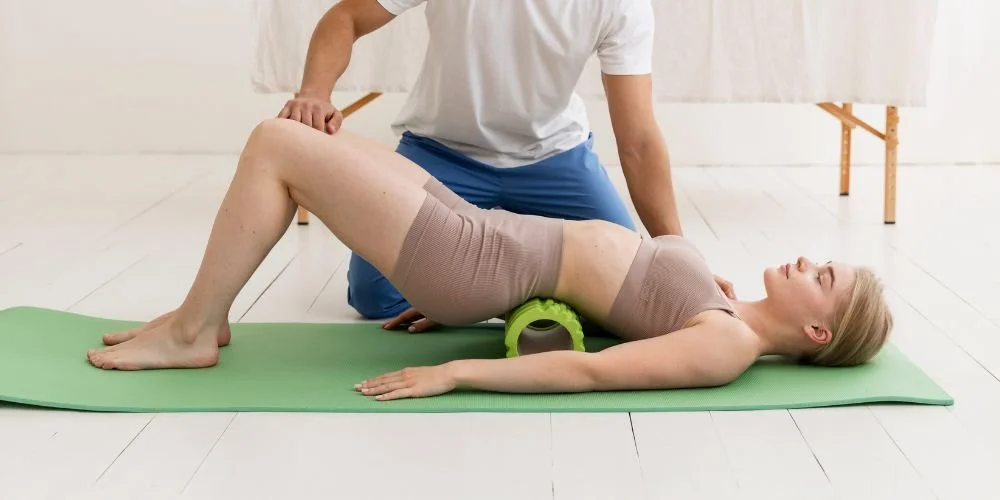
Myofascial release softens stiff fascia and tight muscles that commonly compress the sciatic nerve. It improves mobility and reduces nerve irritation, making it highly effective for conditions like piriformis syndrome.
How it's performed:
The therapist places an open palm at a gentle 45° angle on the lower back and slowly glides toward the hip and thigh using light pressure. This helps detect tight spots and prepares deeper tissues for focused work.
Self-massage tip:
Sit on a foam roller and slowly roll from your glutes down the hamstrings. Move gradually to allow tight spots to release.
2. Sacrum Pressure Release
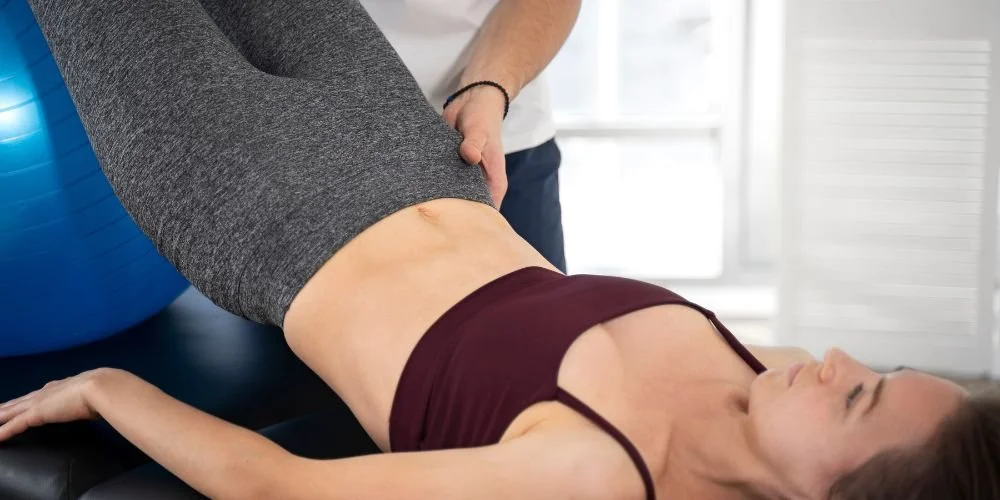
Tension around the sacrum can tighten the glutes and irritate the sciatic nerve.
How it's performed:
The therapist places a loose fist on the sacrum and uses the other hand to gently stretch the glute muscles outward. This helps reduce tension in the lower back and hips.
Self-massage tip:
Stand upright and place a fist on your sacrum. Use your other hand to stretch the glutes outward for 10–15 seconds.
3. Gluteus Minimus Deep Massage

The gluteus minimus often mimics sciatica pain. Releasing it can significantly reduce radiating discomfort.
How it's performed:
The therapist presses into the side of the hip with slow, increasing pressure to release tight bands. Once warmed, the forearm may be used for deeper work.
Self-massage tip:
Lie face down and use the heel of your hand to perform slow circular motions on the side of your hip.
4. Greater Trochanter Elbow Glide
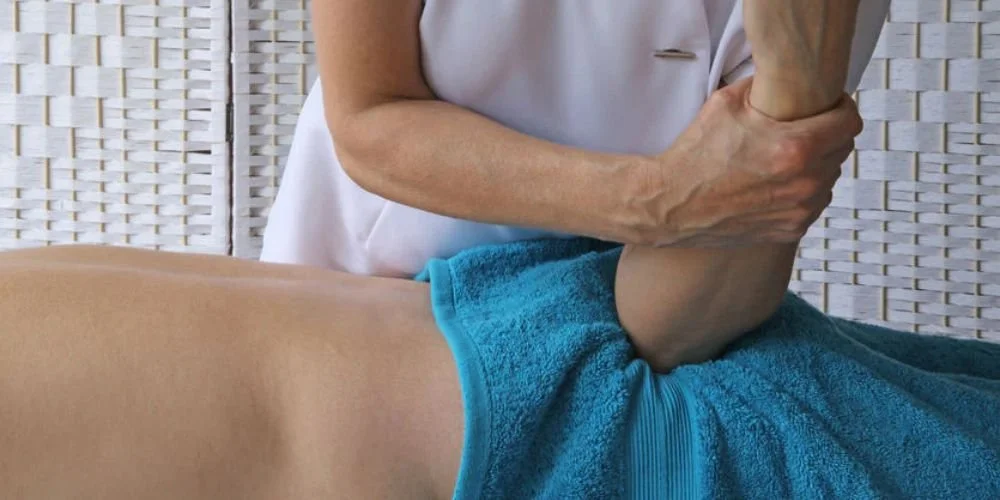
This technique targets deep tension around the hip bone that can compress the sciatic nerve.
How it’s performed:
After locating the greater trochanter, the therapist applies steady elbow pressure along the bone’s outer edge to release deep tissue restrictions.
Self-massage tip:
Lie on your side and slowly roll your hip over a tennis ball to release tight spots.
5. Gluteus Maximus Petrissage
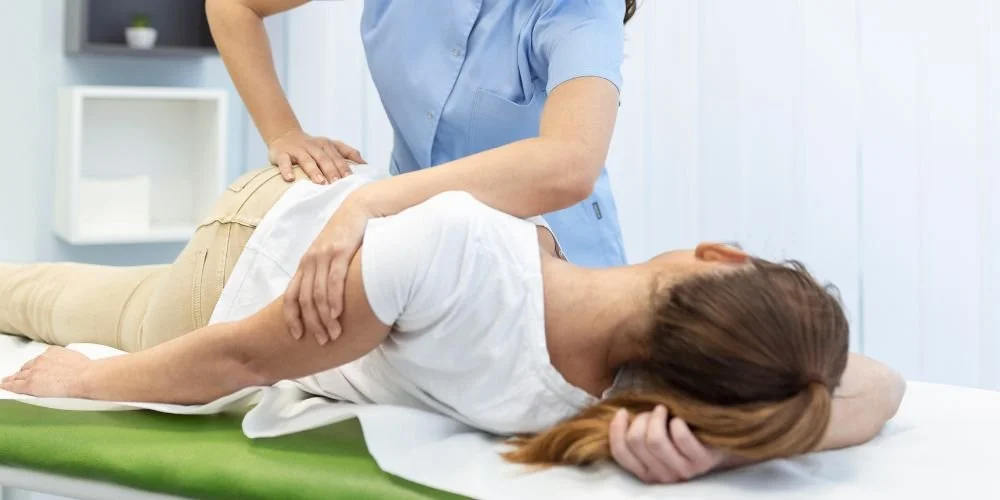
Petrissage involves kneading, lifting, and squeezing the glute muscles to increase circulation and loosen tight tissue.
How it’s performed:
The therapist uses palms and fingers to knead the glutes, followed by gentle knuckle pressure to release deeper layers.
Self-massage tip:
Lie on your back and use a tennis ball or massage gun on the glutes for light, controlled pressure.
6. Knee Mobility + Piriformis Release
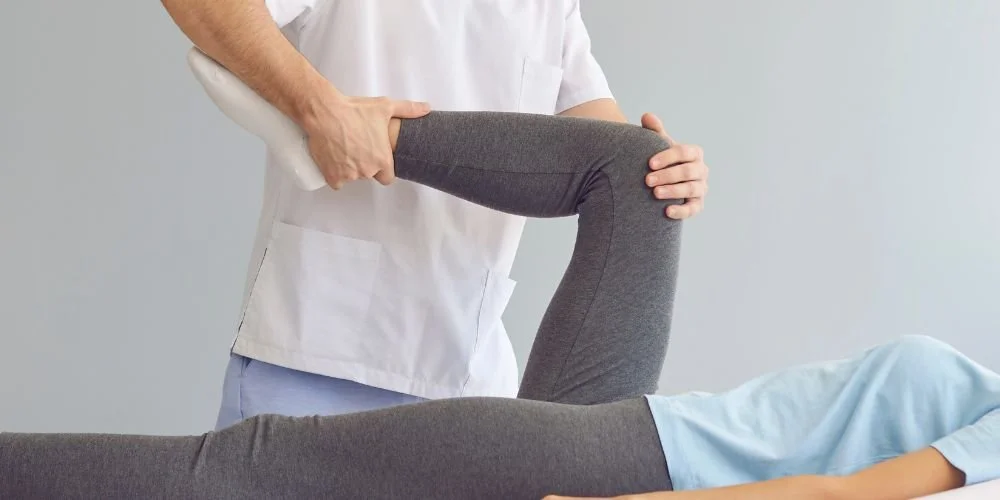
This combination improves hip mobility and reduces pressure from the piriformis — one of the main muscles responsible for sciatica.
How it’s performed:
The therapist bends the knee to 90°, places a fist on the piriformis, and gently moves the leg side-to-side while applying pressure.
Self-massage tip:
Place a tennis ball under your piriformis, bend your knee, and slowly swing your leg side-to-side.
Expert Tips to Maximize Sciatica Relief
1. Don’t wait for severe pain
Early massage intervention prevents nerve compression from worsening and shortens recovery time.
2. Combine massage with mobility work
Light stretching, hip mobility drills, and gentle walking enhance treatment results and maintain nerve flow.
3. Stay hydrated before and after sessions
Water helps flush out metabolic waste released from tight muscles during massage, reducing post-session soreness.
4. Strengthen your glutes and core
Weak hip and core muscles often add extra stress to the lower back and sciatic nerve. A strong support system reduces future flare-ups.
5. Use heat before and cold after sessions
Heat: loosens stiff muscles before treatment
Cold: reduces inflammation after treatment
This combination accelerates healing.
6. Schedule consistent sessions
Sciatica improves best with repeated treatment. Weekly sessions for 3–4 weeks can create noticeable and lasting nerve relief.
Benefits of Massage Therapy for Sciatica
Massage therapy isn’t just about temporary relief; it targets the root causes of sciatica pain, helping you recover faster and prevent future flare-ups. Whether you’re searching for sciatica pain relief massage, massage for sciatica pain, or wondering if massage can help sciatica, here’s why massage is so effective:
1. Reduces Muscle Tightness
Tight muscles in the glutes, hamstrings, and lower back can compress the sciatic nerve, causing pain and tingling. Massage releases this tension, easing nerve pressure and restoring comfort.
2. Relieves Inflammation and Pain
Targeted massage improves blood circulation to irritated tissues, helping reduce inflammation around the sciatic nerve and calming painful spasms almost immediately.
3. Improves Mobility and Flexibility
By loosening stiff muscles and fascia, massage allows smoother, pain-free movement in the hips, lower back, and legs. Increased flexibility also supports better posture and spinal alignment.
4. Treats the Root Cause
Most sciatica originates from muscular tightness rather than the nerve itself. Massage addresses these underlying muscular issues, ensuring long-lasting relief instead of temporary comfort.
5. Promotes Relaxation and Stress Reduction
Massage triggers relaxation responses, reducing overall stress and helping your body heal more effectively. Relaxed muscles are less likely to irritate the sciatic nerve.
6. Prevents Recurring Sciatica
Regular massage keeps muscles strong, loose, and well-aligned, minimizing the risk of future nerve compression and repeat flare-ups.
Conclusion: Get Lasting Sciatica Pain Relief With Professional Massage
Sciatica doesn’t have to control your life. With the right massage for sciatica pain, including myofascial release, glute, and piriformis techniques, you can relieve nerve pressure, reduce muscle tension, and restore mobility.
Pairing professional therapy with self-massage, gentle stretches for sciatica, and mindful lifestyle adjustments can speed recovery and help prevent future flare-ups.
At Bomi Massage in Harrison NY, our experienced therapists specialize in sciatica pain relief massage and create personalized plans to target your unique needs. Don’t wait—schedule your session today and start your journey toward lasting sciatica relief.