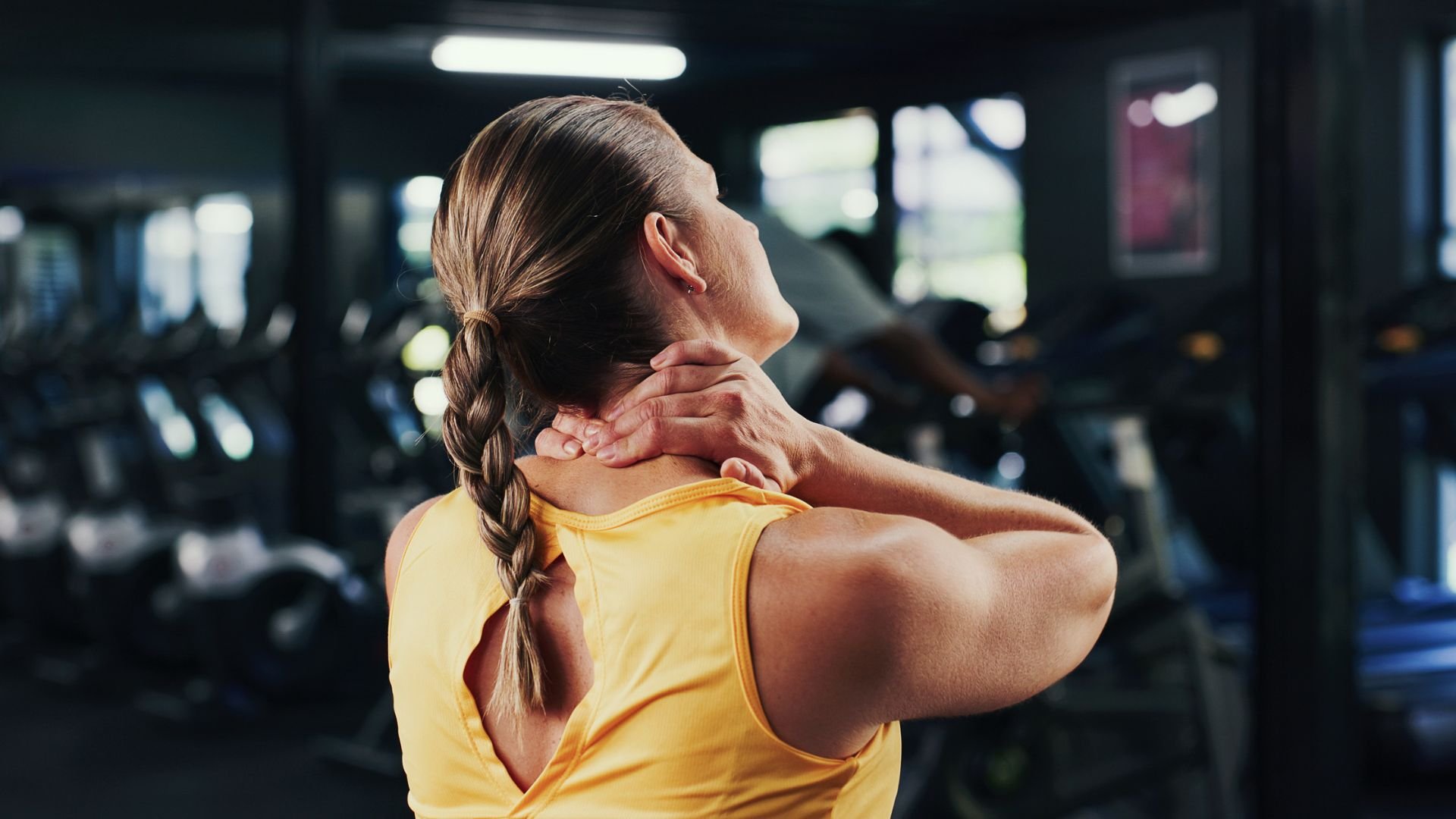
You finished a challenging workout a few days ago, but your muscles are still aching. Climbing stairs feels uncomfortable, bending requires extra effort, and even simple movements seem difficult. Is this normal, or could it be a sign of an injury?
Muscle soreness after a workout is common, especially after intense exercise, unfamiliar movements, or returning to physical activity after a break. However, soreness that lasts several days can make it difficult to know whether your muscles need more recovery time.
Understanding why this happens, how long soreness should last, and which symptoms require attention can help you recover more effectively.
Why Are Your Muscles Sore Days After a Workout?

One common reason for prolonged muscle soreness is delayed onset muscle soreness (DOMS). It typically develops 12–24 hours after exercise and becomes most noticeable within 24–72 hours.
DOMS occurs when muscles experience unfamiliar physical stress, particularly during exercises involving eccentric contractions. These happen when muscles produce force while lengthening, such as lowering weights, performing squats, or walking downhill.
You may experience DOMS after:
● Increasing workout intensity or lifting heavier weights.
● Returning to exercise after a break.
● Trying unfamiliar exercises.
● Performing more repetitions than usual.
● Participating in demanding sports activities.
This exercise-related muscle stress triggers temporary tissue changes and an inflammatory response, contributing to tenderness, stiffness, and discomfort. Importantly, muscle soreness does not necessarily mean your workout was more effective.
How Long Does Muscle Soreness Last After Exercise?
Most DOMS symptoms gradually improve within three to five days, although recovery time varies depending on exercise intensity and individual factors.
A typical recovery timeline looks like this:
| Time | What to Expect |
|---|---|
| 12–24 hours | Soreness and stiffness begin. |
| 24–72 hours | Discomfort often reaches its peak. |
| 3–5 days | Symptoms generally start improving. |
| 5–7 days | Most ordinary soreness should be resolving. |
If discomfort continues beyond a week, worsens, or interferes with everyday movement, seek professional evaluation.
The key is whether your symptoms are gradually improving rather than becoming more severe.
How to Tell the Difference Between Muscle Soreness and a Muscle Injury
Not all pain after exercise is DOMS. A muscle strain or other injury can sometimes produce similar symptoms, but there are important differences.
| Normal Muscle Soreness (DOMS) | Possible Muscle Injury |
|---|---|
| Develops hours after exercise | May begin suddenly during exercise |
| General muscle tenderness | Sharp or localized pain |
| Temporary stiffness | Significant movement difficulty |
| Usually affects exercised muscles | May involve a specific injured area |
| Gradually improves over several days | May persist or become worse |
Swelling, bruising, sudden pain, or substantial muscle weakness may indicate an injury rather than ordinary soreness.
If these symptoms occur, stop exercising and consult a healthcare professional. Avoid trying to stretch or massage through sharp pain.
When Is Muscle Soreness a Sign of Something More Serious?
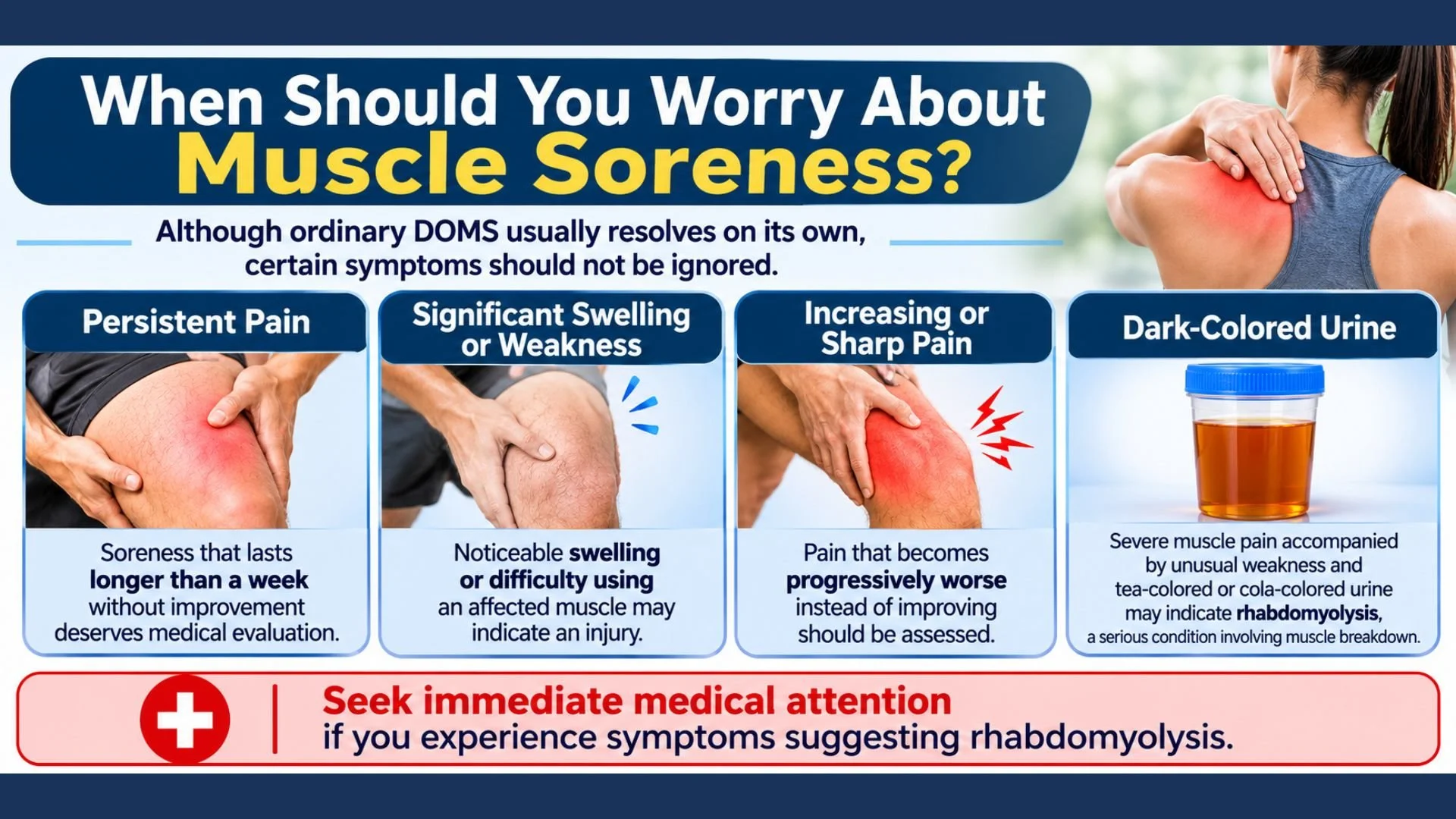
Normal post-workout soreness usually improves gradually within a few days. However, pain that worsens, doesn't improve, or interferes with everyday activities may indicate something beyond ordinary muscle soreness.
Pay attention to these warning signs:
Pain that keeps getting worse
Muscle soreness should gradually decrease. If the pain becomes more intense instead of improving, it may indicate a muscle injury or another underlying problem.
Significant swelling or bruising
Noticeable swelling, discoloration, or tenderness in one area may suggest a muscle strain or tissue injury.
Unusual muscle weakness
If you have difficulty lifting objects, walking normally, or using a muscle that usually works comfortably, the problem may be more than routine soreness.
Pain that does not go away
Soreness that continues beyond a week without noticeable improvement should be evaluated by a healthcare professional.
Severe muscle pain with dark urine
Severe muscle pain accompanied by dark, tea-colored urine or unusual weakness can indicate rhabdomyolysis, a serious condition caused by muscle breakdown. These symptoms should not be ignored. Seek immediate medical attention if they occur. For more information, read the CDC's guide to Signs and Symptoms of Rhabdomyolysis.
Do not assume that persistent or severe pain is simply part of the recovery process. A healthcare professional can help identify the cause and recommend appropriate treatment.
What Helps Relieve Muscle Soreness After a Workout?
If your symptoms are consistent with ordinary DOMS, these practical recovery measures may help improve comfort.
1. Allow adequate recovery time
Avoid repeating intense workouts involving significantly sore muscles. Give the affected muscles time to recover.
2. Try gentle movement
Walking, easy cycling, and comfortable mobility exercises may help reduce stiffness. Avoid movements that increase pain.
3. Stay hydrated
Drink sufficient water throughout the day, particularly after exercise and sweating.
4. Eat balanced meals
Include protein to support muscle repair, carbohydrates to replenish energy, and fruits and vegetables for essential nutrients.
5. Get enough sleep
Quality sleep supports physical recovery and helps your body adapt to exercise.
6. Increase exercise intensity gradually
Avoid sudden increases in weights, repetitions, or workout duration. Gradual progression helps muscles adapt to physical demands.
Can Sports Massage Help With Muscle Soreness?
Sports massage may help manage post-exercise muscle discomfort and support recovery for some individuals. Research suggests massage can provide modest relief from delayed-onset muscle soreness and improve flexibility.
Depending on individual needs, appropriate massage techniques may help:
● Address areas of muscular tightness.
● Reduce perceived post-exercise discomfort.
● Improve flexibility and movement comfort.
● Manage recurring soft-tissue tension associated with physical activity.
However, sports massage does not repair significant muscle injuries or replace medical treatment. Avoid aggressive massage when experiencing unexplained pain, substantial swelling, or a suspected muscle strain.
How Bomi Massage Supports Muscle Recovery
At Bomi Massage, sports massage is approached through individualized, hands-on therapeutic techniques.
Bomi Bilimoria has more than 20 years of experience in therapeutic massage, with specialized training in orthopedic and sports massage.
Each session considers the client's muscular concerns, physical activity, movement limitations, and treatment goals. Depending on individual needs, treatment may incorporate targeted soft-tissue techniques, sports massage, and appropriate PNF stretching methods.
Whether you are a gym-goer, runner, recreational athlete, or active adult, individualized therapeutic care can help address areas of muscular tightness and movement-related discomfort.
We provide one-on-one massage therapy in Harrison, NY, serving clients from Scarsdale, Mamaroneck, Rye, White Plains, Greenwich, CT, and surrounding communities.
Frequently Asked Questions
Is it normal to be sore three days after a workout?
Yes. DOMS commonly peaks within 24–72 hours after exercise. Soreness lasting three days can be normal if it gradually improves.
Should I work out when my muscles are still sore?
Light activity may be appropriate when soreness is mild. However, avoid intense exercise involving significantly sore muscles. Stop if movement increases pain.
Why am I still sore five days after exercising?
Unfamiliar or demanding workouts can cause soreness lasting several days. However, persistent or worsening discomfort should be evaluated, particularly if normal movement is affected.
Does muscle soreness mean my workout was effective?
No. Soreness is not a reliable indicator of workout effectiveness. You can improve strength and endurance without experiencing significant post-workout pain.
Can massage help with delayed-onset muscle soreness?
Massage may provide temporary relief from DOMS and improve flexibility for some people. Its effects vary, and it should complement rather than replace appropriate recovery.