Why Muscles Stay Tight After Injury & How Therapy Restores Mobility

An injury doesn't always end when the pain goes away. Many people continue to experience muscle tightness, stiffness, and restricted movement long after the initial injury has healed. Whether you've suffered a sports injury, muscle strain, surgery, or repetitive stress injury, lingering tightness can make everyday activities uncomfortable and limit your ability to move normally. Understanding why muscles stay tight after injury and how therapy restores mobility can help you take the right steps toward a more complete recovery.
Why Do Muscles Stay Tight After an Injury?
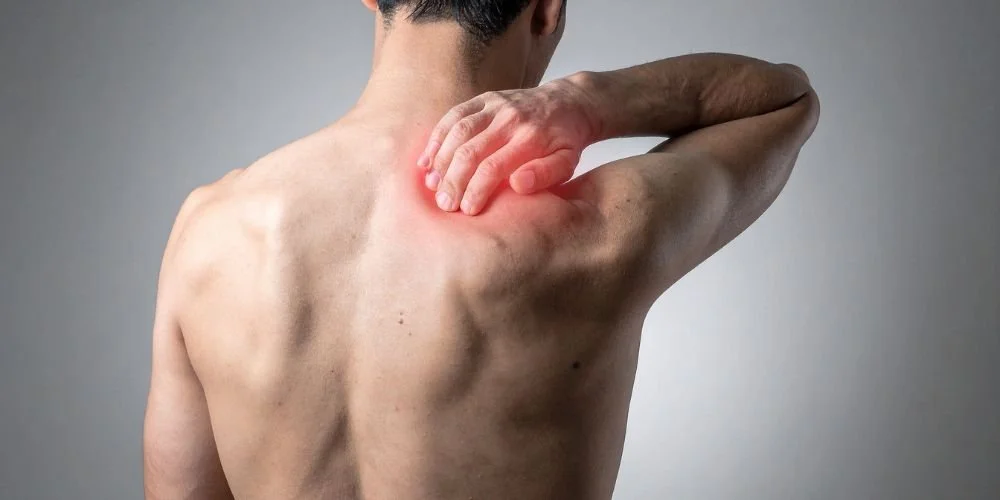
Muscle tightness after injury is often part of the body's natural healing and protective process. When tissues are injured, the body works to protect the affected area from further damage. Muscles surrounding the injury may tighten automatically to provide stability and reduce stress on healing tissues. While this response is helpful initially, it can sometimes continue long after the injury has healed, leading to ongoing stiffness and restricted movement.
1. Protective Muscle Guarding
One of the most common reasons for tight muscles after injury is muscle guarding. When pain or inflammation is present, the nervous system signals nearby muscles to contract and protect the injured area. This helps prevent excessive movement during healing. However, if muscle guarding continues for weeks or months, muscles can remain tight even after the injury has improved.
2. Scar Tissue Formation
Scar tissue is a normal part of the healing process. As injured muscles, tendons, ligaments, or fascia repair themselves, the body produces collagen fibers to rebuild damaged tissue. Sometimes these fibers form in a way that creates restrictions within the tissue. Scar tissue can reduce flexibility, limit movement, and contribute to feelings of tightness during everyday activities.
3. Reduced Movement During Recovery
Rest is important after an injury, but prolonged inactivity can create new challenges. When muscles and joints are not moved regularly, they may lose flexibility and range of motion. Soft tissues can become less mobile, making movement feel stiff and restricted. This is why some people notice tightness even after their injury has technically healed.
4. Compensation Patterns and Muscle Imbalances
Injuries often cause people to change how they move. For example, if one area hurts, the body may shift stress to other muscles and joints to avoid discomfort. Over time, these compensations can create muscle imbalances and excessive tension in surrounding areas. Even after pain decreases, these altered movement patterns may continue and contribute to ongoing tightness.
Why Doesn't Muscle Tightness Always Go Away on Its Own?
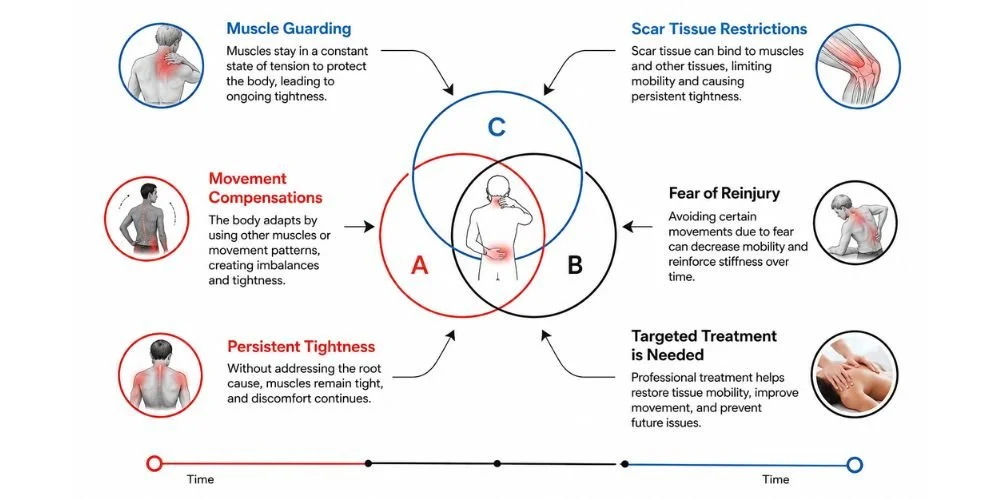
Many people assume that once an injury heals, muscle tightness will naturally disappear. Unfortunately, that's not always the case. Muscle guarding, scar tissue restrictions, and movement compensations can become established patterns within the body. Without addressing these underlying issues, muscles may continue to feel tight, and mobility may remain limited. Some people also avoid certain movements because they fear reinjury. This can further reduce mobility and reinforce stiffness over time. When tightness persists, targeted treatment is often needed to restore normal tissue mobility and movement patterns.
How Therapy Helps Restore Mobility After Injury
The goal of therapy is not simply to reduce discomfort. Effective treatment addresses the factors contributing to tightness and restricted movement.
1. Releasing Soft Tissue Restrictions: Injuries can create restrictions within muscles, fascia, tendons, and other soft tissues.
Therapy helps improve the mobility of these tissues, allowing them to move more freely and function more efficiently.
As tissue mobility improves, movement often becomes easier and more comfortable.
2. Improving Range of Motion: Tight muscles and restricted tissues can reduce flexibility and limit joint movement.
Therapy focuses on restoring the normal range of motion through hands-on techniques and movement-based approaches that help improve flexibility and mobility.
3. Reducing Muscle Guarding: Many people continue holding unnecessary tension long after the injury has healed.
Therapy can help calm overactive muscles and reduce the protective patterns that contribute to chronic tightness. This allows the body to move more naturally and efficiently.
4. Supporting Healthy Movement Patterns: Improving mobility is only part of the recovery process.
Therapy also helps restore healthier movement patterns, reducing compensation and helping the body function more effectively during daily activities, exercise, and sports.
Which Types of Therapy Can Help Restore Mobility?
Different therapies may be beneficial depending on the injury, recovery stage, and individual goals.
1. Orthopedic Massage Therapy
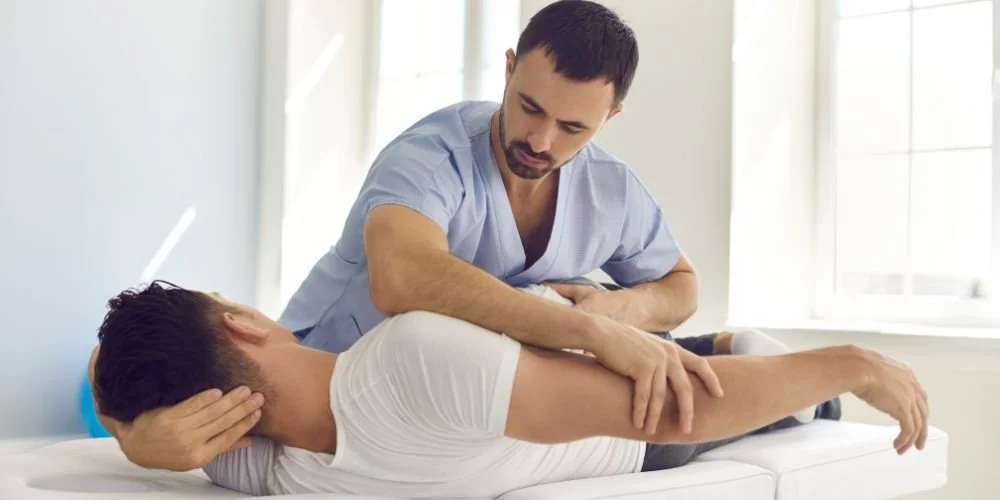
Orthopedic massage therapy focuses on identifying and treating soft tissue dysfunction that contributes to pain, stiffness, and restricted movement. This approach can help improve tissue mobility, reduce muscle tension, and support long-term recovery after injury.
Also read: Orthopedic Massage vs. Medical Massage
2. Sports Massage Therapy
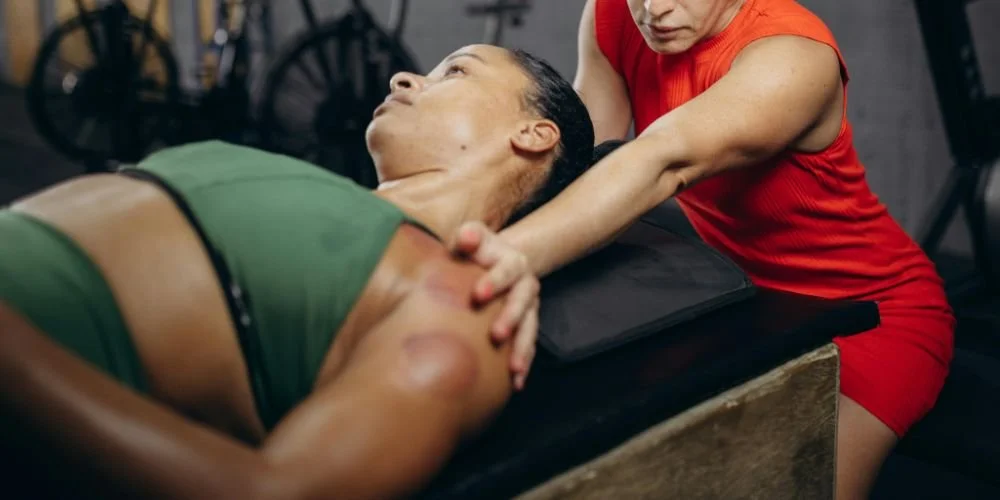
Sports therapy helps address muscle tightness, improve flexibility, and support recovery from sports injuries and repetitive strain. It can also help active individuals maintain healthy movement and reduce the risk of future injuries.
3. Trigger Point Therapy
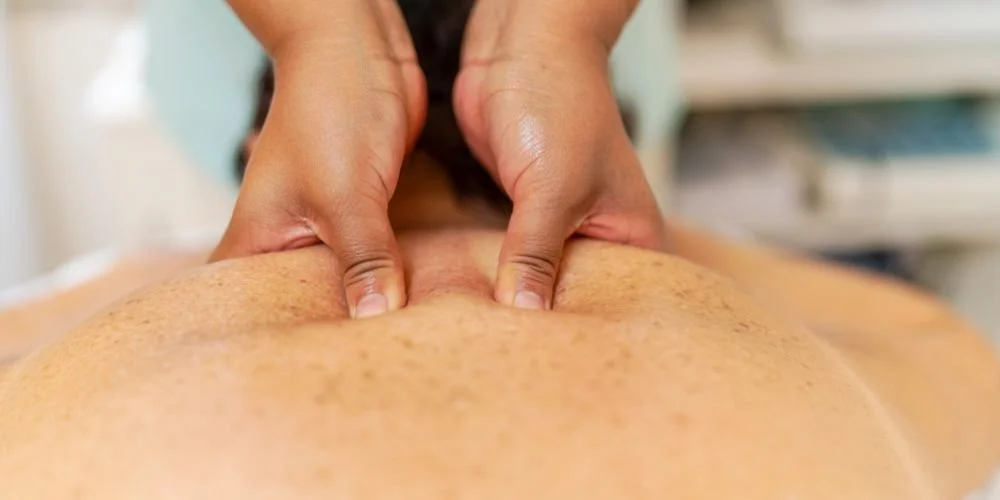
Trigger points are sensitive areas within muscles that can contribute to tightness, discomfort, and movement limitations. Trigger point therapy helps release these areas and improve overall muscle function.
4. PNF Stretching Therapy
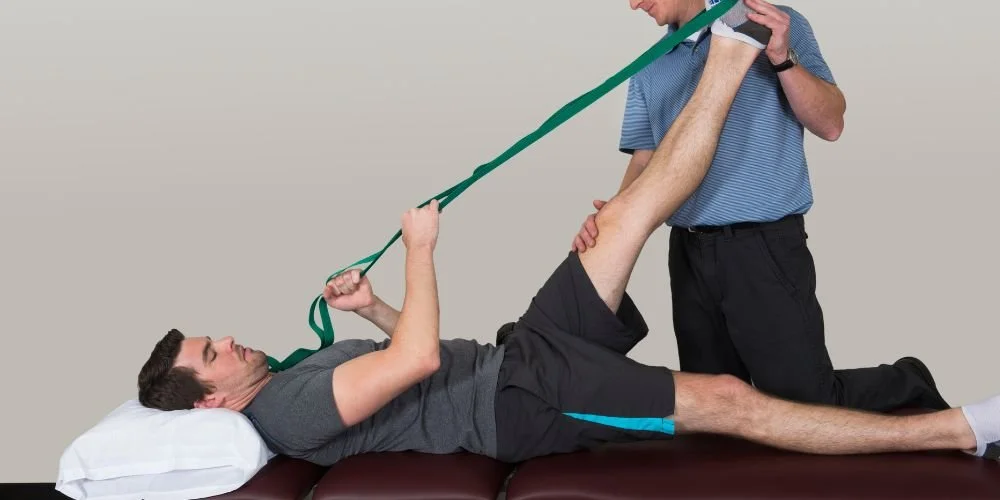
PNF therapy is designed to improve flexibility and increase range of motion through specialized stretching techniques. This approach can be particularly beneficial for individuals experiencing persistent stiffness after injury.
When Should You Seek Therapy for Persistent Muscle Tightness?
While some tightness is normal during recovery, it may be time to seek professional evaluation if you experience:
● Tightness that persists for several weeks after injury
● Difficulty moving normally
● Reduced flexibility or range of motion
● Recurring pain or discomfort
● Difficulty returning to exercise or sports
● Ongoing stiffness that interferes with daily activities
Addressing these issues early may help prevent long-term mobility limitations and support a smoother recovery.
Conclusion
Muscle tightness after injury is often caused by a combination of protective muscle guarding, scar tissue formation, reduced movement, and compensation patterns. While these responses are part of the body's natural healing process, they can continue long after the injury itself has healed.
Therapy helps restore mobility by addressing soft tissue restrictions, improving range of motion, reducing muscle tension, and supporting healthier movement patterns.
If you're struggling with persistent muscle tightness, restricted movement, or discomfort after an injury, Bomi Massage can help you understand which treatment approach may support more effective recovery.