How Often Should You Get Massage Therapy for Lasting Results?

It's one of the most common questions massage therapists hear from clients, and the honest answer is, it depends. Your ideal massage frequency is shaped by your health goals, activity level, stress load, and what your body is telling you on any given week.
This guide breaks down everything you need to know about massage frequency: from how often to get a massage for stress relief and pain management to understanding the cumulative power of regular sessions.
Why Massage Frequency Matters More Than You Think
One massage session can reduce muscle tension, lower cortisol levels, and leave you feeling calmer for a day or two. But here is the critical distinction that many people miss: the real, lasting benefits of massage therapy are cumulative.
When massage becomes a regular habit, not an occasional treat, the effects compound over time. Chronic muscle tension begins to release more permanently. Stress patterns held in the body gradually unwind. Circulation improves sustainably. Sleep quality rises. And the pain that once felt constant starts to become manageable.
Think of massage therapy the way you think of exercise. A single workout is great. But consistent training over weeks and months is what transforms your health. The same principle applies to how often you get a massage for meaningful, long-term results.
How Often Should You Get a Massage? A Goal-by-Goal Breakdown
There is no universal answer to massage frequency, but there are clear, evidence-informed guidelines based on what you're trying to achieve.
For Stress Relief and General Wellness

If your primary goal is managing everyday stress, reducing tension, and maintaining your overall sense of well-being, one massage per month is a solid starting point. A monthly session helps keep stress hormones in check, promotes relaxation, and prevents minor muscle tightness from escalating into something more serious.
For people dealing with higher daily stress, demanding work schedules, long commutes, family responsibilities, bi-weekly sessions (every two weeks) often deliver more noticeable, sustained relief. This cadence keeps your nervous system from swinging back into a chronic stress state between appointments.
For Chronic Pain and Muscle Tension

If you're managing ongoing pain, whether from a desk job that strains your neck and shoulders, recurring lower back issues, or conditions like tension headaches, the approach needs to be more strategic.
Most massage therapists recommend beginning with weekly or bi-weekly sessions when you're in an active pain phase. Deep tissue massage and trigger point therapy are particularly effective at addressing the root causes of muscle tension and chronic discomfort. Once your pain levels decrease, you can typically taper to a maintenance schedule of every two to four weeks.
Also Read: Massage Therapy for Postural Imbalances & Desk-Related Pain
For Athletic Performance and Sports Recovery
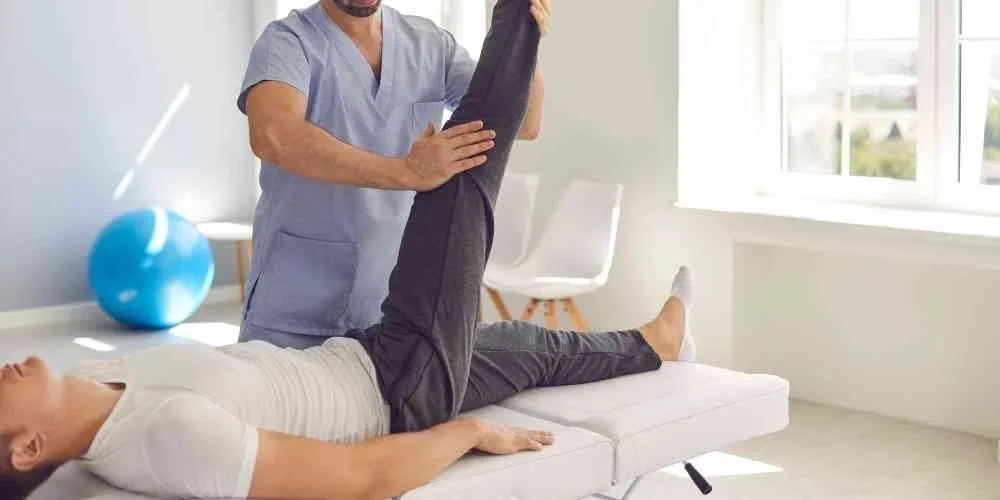
Athletes, whether competitive or recreational, place significant demands on their bodies. Regular massage therapy is a cornerstone of smart training for a reason.
For those training intensely multiple times per week, weekly sports massage sessions help maintain muscle health, improve flexibility, reduce injury risk, and accelerate recovery. For moderate exercisers and weekend warriors, a session every one to two weeks keeps the body performing well and recovering efficiently.
Deep tissue massage and sports massage work together to address the cumulative wear that exercise places on muscles, fascia, and connective tissue. Staying ahead of that wear, rather than waiting for pain to develop, is what separates athletes who stay healthy from those who constantly deal with nagging injuries.
For Injury Recovery and Post-Surgery Rehabilitation
If you're recovering from an injury or a surgical procedure, the frequency of massage therapy should be guided closely by your healthcare provider. In many cases, two to three sessions per week in the early recovery phase can support healing by improving circulation, reducing inflammation-related tension, and restoring normal tissue mobility.
As recovery progresses, session frequency is gradually reduced in line with how your body responds.
For Prenatal Wellness

Pregnancy places unique demands on the body, and prenatal massage can be a powerful source of relief for expectant mothers dealing with back pain, sciatic discomfort, swelling, and stress. Monthly prenatal massage sessions are a common recommendation during a healthy pregnancy, though the right frequency varies based on your trimester, your symptoms, and your OB-GYN's guidance.
The Most Common Massage Frequencies (Summarized)
The Long-Term Benefits of Monthly Massage
For many Americans, a consistent monthly massage is the cornerstone of a sustainable wellness routine. Over time, regular monthly sessions have been associated with:
Reduced baseline muscle tension
Lower resting cortisol (stress hormone) levels
Improved circulation and lymphatic function
Better sleep quality and duration
Enhanced immune system function
Greater body awareness and earlier detection of developing issues
These benefits develop gradually, making regular sessions more effective than occasional treatment.
Choosing the Right Type of Massage for Your Goals

Frequency works best when paired with the right technique. Different goals require different approaches:
Sports Massage Therapy: Individuals who train regularly or place high physical demand on their body often benefit from sports massage therapy, as it supports muscle recovery, reduces fatigue, and helps prevent injuries by improving circulation and releasing tight muscle groups.
Trigger Point Therapy: Chronic tightness caused by posture issues, stress, or repetitive movement patterns is often treated effectively through trigger point therapy, which works on deeper layers of muscle and connective tissue to relieve persistent pain and restore mobility.
Hendrickson Method Orthopedic Massage: When musculoskeletal imbalances begin to affect posture, movement, or daily comfort, Hendrickson method orthopedic massage is used as a structured clinical approach to identify and correct underlying dysfunctions in soft tissue and joint mechanics.
PNF Stretching Therapy: Flexibility limitations and restricted movement patterns can be improved using PNF stretching therapy, a specialized technique that enhances range of motion by retraining how muscles respond to controlled stretching and contraction.
TMJ Therapy: Jaw tension, headaches, and difficulty with chewing are often linked to dysfunction in the temporomandibular joint, where TMJ therapy helps reduce muscle tightness and restore proper alignment to relieve strain in the jaw area.
Prenatal Massage: During pregnancy, the body experiences significant physical and hormonal changes, and prenatal massage therapy is designed to safely reduce swelling, ease back pain, and improve overall comfort while supporting maternal well-being.
Neuro Massage: Neurological imbalances affecting coordination, sensation, or muscle control can benefit from neuro massage therapy, which focuses on supporting nervous system function through targeted therapeutic techniques.
Post-Surgery Massage: After surgical procedures, recovery can be supported with post-surgery massage therapy, which helps improve circulation, reduce stiffness, and manage scar tissue formation while assisting the body’s natural healing process under proper guidance.
A trained therapist can adjust both technique and frequency based on your condition and progress.
Final Thoughts: Invest in Consistent Care, Not Just Occasional Relief
The question of how often to get a massage is ultimately a question about how seriously you take your long-term health. If you're looking for a one-time fix, a single session will offer temporary relief. If you're looking for lasting results—real reductions in chronic pain, sustained stress management, improved physical performance, and a body that moves and feels better over time, consistent, appropriately spaced massage therapy is the answer.
At Bomi Massage in Harrison, NY, our licensed therapists are committed to helping clients across Westchester County and the greater New York area build personalized treatment plans that deliver real, cumulative results. Whether you're an athlete, managing chronic pain, navigating a demanding career, or simply investing in your wellness, we're here to help you find your ideal frequency.