The Importance of Sports Massage in Injury Prevention
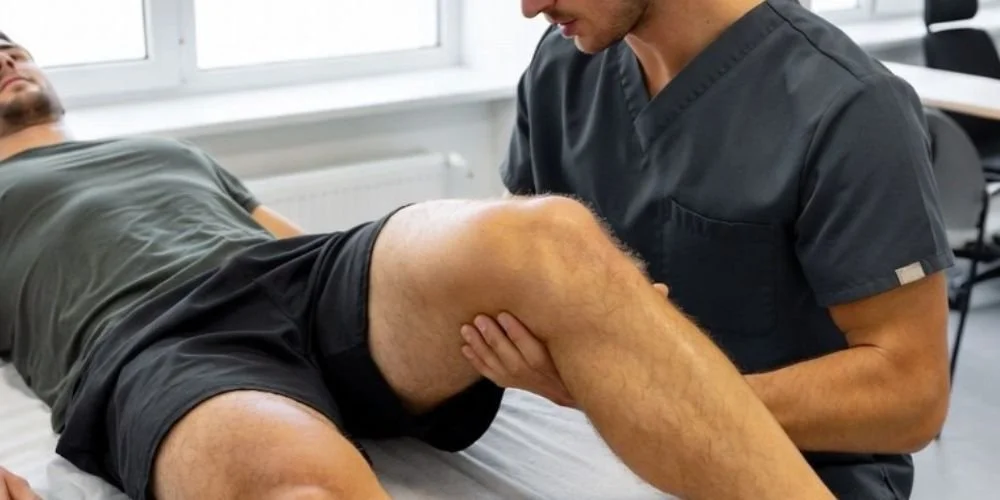
Many athletes assume injuries happen because of a single event- a missed step, a sudden twist, or an awkward landing. While acute injuries do occur, a large percentage of sports-related injuries develop gradually.
Muscle tightness, reduced mobility, repetitive training, and inadequate recovery can slowly affect how the body moves. These changes may seem minor at first, but over time they can increase stress on muscles, tendons, and joints, making injury more likely.
This is why injury prevention is not only about training harder. It is also about maintaining healthy movement patterns, supporting recovery, and addressing physical restrictions before they become larger problems. Sports massage therapy can play an important role in this process.
Key Takeaways
Sports massage therapy helps:
● Reduce excessive muscle tension caused by repetitive training
● Improve flexibility and range of motion
● Support recovery between workouts and competitions
● Identify movement restrictions before they contribute to injury
● Complement a comprehensive injury prevention strategy
How Sports Massage Therapy Supports Injury Prevention
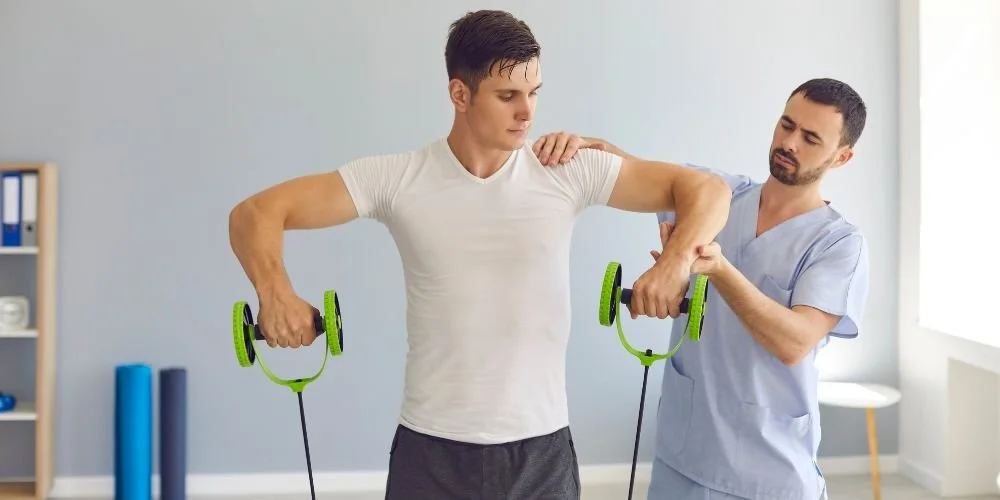
Repetitive training, muscle tightness, reduced mobility, and inadequate recovery can gradually increase stress on the body and raise the risk of injury.
Sports massage therapy helps address these factors by reducing excessive muscle tension, improving flexibility and mobility, and supporting recovery between training sessions. Identifying areas of restriction before they affect movement quality, it can help athletes maintain healthier movement patterns and better withstand the physical demands of training and competition.
Common Factors That Contribute to Sports Injuries
| Contributing Factor | How It May Affect the Body |
|---|---|
| Muscle Tightness | Restricts movement and flexibility |
| Limited Mobility | Increases compensation in other areas |
| Poor Recovery | Leads to accumulated fatigue |
| Repetitive Training | Places ongoing stress on the same tissues |
| Movement Restrictions | May alter normal movement mechanics |
While none of these factors automatically cause injury, they can gradually increase stress on the body when left unaddressed.
Also Read: How Sports Massage Therapy Speeds Up Recovery from Sports Injuries.
Why Mobility Matters More Than Many Athletes Realize
Mobility is often associated with performance, but it is equally important for injury prevention.
Every athletic movement requires joints and muscles to move through an appropriate range of motion. When movement becomes restricted, the body frequently compensates by relying more heavily on other muscles or joints.
For example:
● Limited ankle mobility may increase stress on the knee during running and jumping.
● Restricted hip mobility may place additional demands on the lower back.
● Reduced shoulder mobility can affect mechanics during throwing, swimming, and racquet sports.
These compensations may allow an athlete to continue training, but they often increase stress on surrounding tissues over time.
Sports massage helps address areas of muscular tension that may be limiting mobility, allowing movement to occur more efficiently.
The Relationship Between Recovery and Injury Risk
Many athletes focus heavily on training but underestimate the importance of recovery.
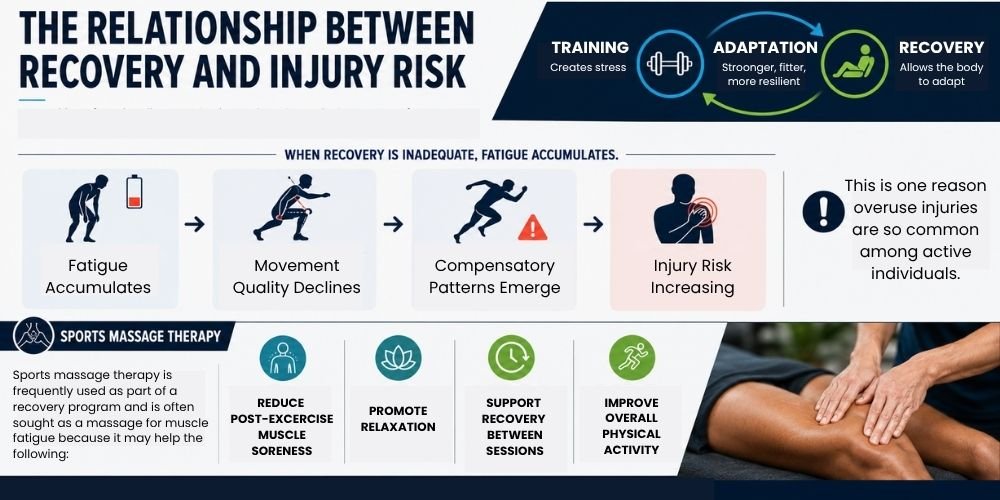
Training creates stress. Recovery is the process that allows the body to adapt to that stress.
When recovery is inadequate, fatigue accumulates. As fatigue increases, movement quality often begins to decline. Muscles may not function as efficiently, coordination can be affected, and compensatory movement patterns may become more noticeable.
This is one reason overuse injuries are so common among active individuals.
Sports massage therapy is frequently used as part of a recovery program and is often sought as a massage for muscle fatigue because it may help the following:
● Reduce post-exercise muscle soreness
● Promote relaxation
● Support recovery between training sessions
● Improve overall readiness for physical activity
Why Early Warning Signs Should Not Be Ignored
One of the biggest misconceptions about injury prevention is that pain is the first warning sign.
In reality, many injuries begin with subtle changes that occur long before discomfort develops.
Common Early Warning Signs
| Warning Sign | Why It Matters |
|---|---|
| Persistent Tightness | May indicate inadequate recovery |
| Reduced Flexibility | Can affect movement efficiency |
| Recurring Stiffness | Often reflects ongoing physical stress |
| Slower Recovery | Suggests fatigue is accumulating |
| Feeling Restricted During Movement | May indicate developing mobility limitations |
These signs do not necessarily mean an injury is present, but they often indicate that the body is under more stress than it can effectively manage.
Regular sports massage can help identify and address these issues before they begin affecting performance or daily activity.
What Does Research Say About Sports Massage?
Research supports several benefits of sports massage therapy that are relevant to injury prevention and athletic recovery.
A review published in Sports Medicine found that massage therapy may contribute to improved flexibility and support recovery following physical activity.
Additional research has also reported positive effects on delayed-onset muscle soreness (DOMS), helping athletes recover more comfortably between training sessions.
It is important to recognize that sports massage is not a standalone injury prevention solution. Effective injury prevention also requires appropriate training progression, strength development, mobility work, nutrition, hydration, sleep, and adequate recovery. (Source: PubMed)
Research-Supported Benefits of Sports Massage
| Benefit | Why It Matters |
|---|---|
| Improved Flexibility | Supports healthy movement patterns |
| Reduced Muscle Soreness | May improve recovery between workouts |
| Better Recovery | Helps maintain training consistency |
| Enhanced Mobility | Supports efficient movement mechanics |
How Often Should You Get a Sports Massage?
The ideal frequency depends on training intensity, recovery needs, and activity level.
Many active individuals benefit from sports massage:
● Every 2–4 weeks for general maintenance
● More frequently during intense training periods
● Before or after major sporting events
● When experiencing increased muscle tightness or mobility restrictions
A consistent approach is often more effective than waiting until discomfort develops.
Final Thoughts
Injury prevention involves more than avoiding accidents during training. It requires maintaining the physical conditions that allow the body to move efficiently, recover effectively, and tolerate the demands of sport and exercise.
Sports massage helps support this process by addressing muscle tension, improving mobility, assisting recovery, and identifying potential movement restrictions before they contribute to larger problems.
When combined with proper training, strength development, mobility work, and recovery strategies, sports massage can be a valuable tool for helping athletes and active individuals stay healthy, active, and performing at their best. If recurring muscle tightness, mobility restrictions, or slow recovery are affecting your performance, Bomi Massage provides targeted therapeutic treatment to help address these issues and support long-term movement and recovery goals.